Column · @franciscopmjd936
Picking an ADA Accessible Portable Restroom Rental for Public Use
When people speak about toilet access at a public occasion, jobsite office, celebration, park program, or neighborhood event, the discussion usually starts too late. A person counts anticipated presence, approximates the variety of units, and then, near the end, asks whether one need to come. That order develops issues. Availability is not an add-on. It influences where the units go, how individuals reach them, exactly how the doors clear, and whether the setup benefits real humans as opposed to simply on paper.
I have seen planners get floundered by a basic assumption: if a vendor labels a system as an ADA portable restroom, the task is done. It hardly ever is. The unit matters, obviously, however positioning matters equally as much. So does the proportion of available devices within a cluster. So does signs. So does the course resulting in the door. If any among those items is wrong, the rental might fail for public use even if the storage tank, structure, and inside were marketed as compliant.
Choosing an ADA available portable toilet leasing for public use is truly regarding 2 commitments simultaneously. The initial is lawful conformity under the federal ease of access criteria that control these spaces. The second is human self-respect. An individual using a mobility device, walker, walking cane, or other movement aid should not have to hunt for the one useful restroom, discover it is blocked by soft ground, or locate that the door can not be come close to securely. That experience sticks with people, and not in a good way.
Start with the standard that in fact controls the decision
For public usage in the United States, the controlling government availability criterion is the 2010 ADA Standards for Accessible Design, as translated by the Access Board and the Department of Justice. That issues due to the fact that the market contains casual language. You will certainly hear devices described as "mobility device friendly," "large delay," "handicap porta potty," or "occasion available." Those expressions may be well intentioned, but they are not the standard.
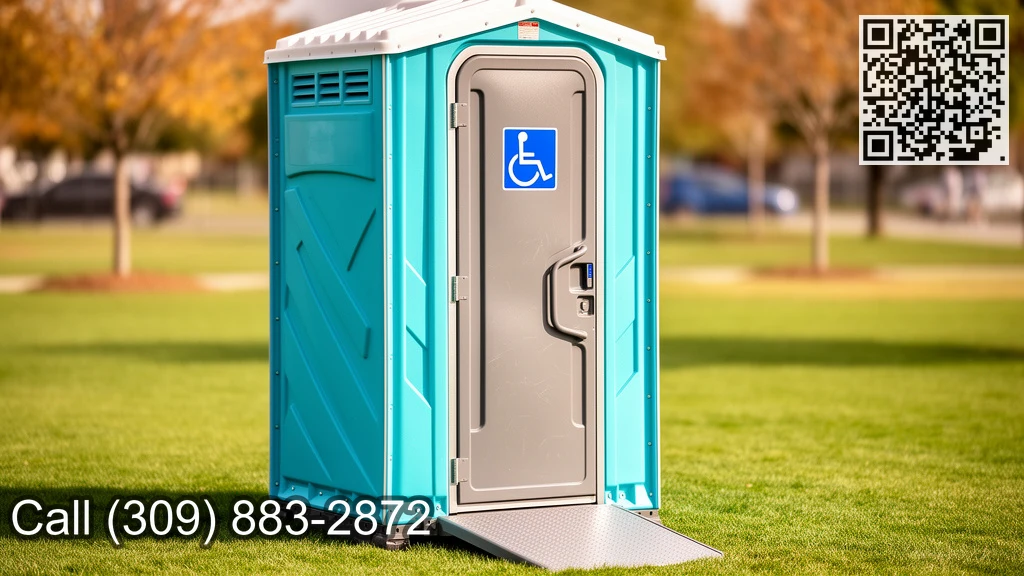
If you are renting out for public usage, what you need to think about is whether the setup pleases the ADA structure for obtainable bathroom facilities. That includes the device itself and the problems around it. A vendor might provide an ada certified mobile toilet or a financial institution of ada compliant portable restrooms, yet you still require to validate that the installment fulfills the access guidelines that apply once the devices are in place.
This is where several blunders happen. Purchasers focus on the shell and neglect the website. A truly usable ada handicap accessible mobile toilet is not just a bigger cabin with a grab bar. It must become part of an accessible setup.
The number of available devices is not arbitrary
For collections of mobile single-user toilet devices, a minimum of 5 percent of the units in each collection have to come. The Access Board has actually made clear that this uses even at short-term events. That factor deserves reducing for due to the fact that temporary configurations are frequently where shortcuts show up. People assume that since an event lasts someday, a weekend, or a week, the requirements are looser. For this concern, that assumption is risky.
The "each cluster" part is simple to overlook. If units are spread across several places at a fairground, festival footprint, sports venue, or exterior civic occasion, you can not deal with the entire property as one large pool and conceal the obtainable system at the back. Each cluster has to be assessed on its own. From a sensible standpoint, that prevents a common failing: an individual comes to the local bathroom bank only to find out the available alternative is elsewhere entirely.
For organizers, this generally modifications buying choices early. As opposed to asking whether to lease one ada portable bathroom someplace on website, the far better question is the number of clusters exist and whether each cluster includes the called for available share. That is the kind of detail that separates a cautious strategy from a final scramble.
A label on the side is necessary, but it is not enough
Accessible portable bathroom systems need to be related to the International Icon of Accessibility. This may seem minor, yet it does real work on the ground. Clear recognition helps customers locate the system without requesting for support or opening up numerous doors to examine. At a jampacked occasion, that can make the difference between self-reliance and frustration.
Still, signage alone does not fix a poor design. I have actually seen accessible units marked properly but pressed right into a schedule where the route narrowed, the approach ended up being muddy, or nearby fence reduced navigating room. A marked door on a hard to reach path is still a barrier.
When you go over an ada portable commode rental with a supplier, it helps to think in layers. Initially, is the unit meant to be obtainable? Second, is it identified correctly? Third, can a person in fact reach it, enter it, and use it under genuine problems on the day of the event? The answer needs to be yes completely through.
The course to the toilet belongs to the restroom decision
One of one of the most misinterpreted components of selecting an ada obtainable mobile restroom is the obtainable route. Portable obtainable units must have an easily accessible course and entryway, and any type of required ramps or landings should comply with ADA technical needs. The route is not some different sitework issue that can be identified later on. It becomes part of the restroom choice from the beginning.
This comes to be noticeable the minute you walk a site. An area can look flat till rainfall turns it soft. A crushed rock area can seem appropriate till you picture a wheelchair tool attempting to cross it. A curb can appear workable until you understand it interrupts the straight method. Even a system that is practically compliant can end up being pointless if it is decreased in the wrong place.
That is why seasoned planners check out the exact positioning area, not simply the residential or commercial property in general. They look at the course a person will actually draw from car park, access, seats, giving ins, or program space to the washroom cluster. They take a look at shifts, inclines, choke points, and whether short-lived structures will certainly develop disputes as soon as the website fills up up.
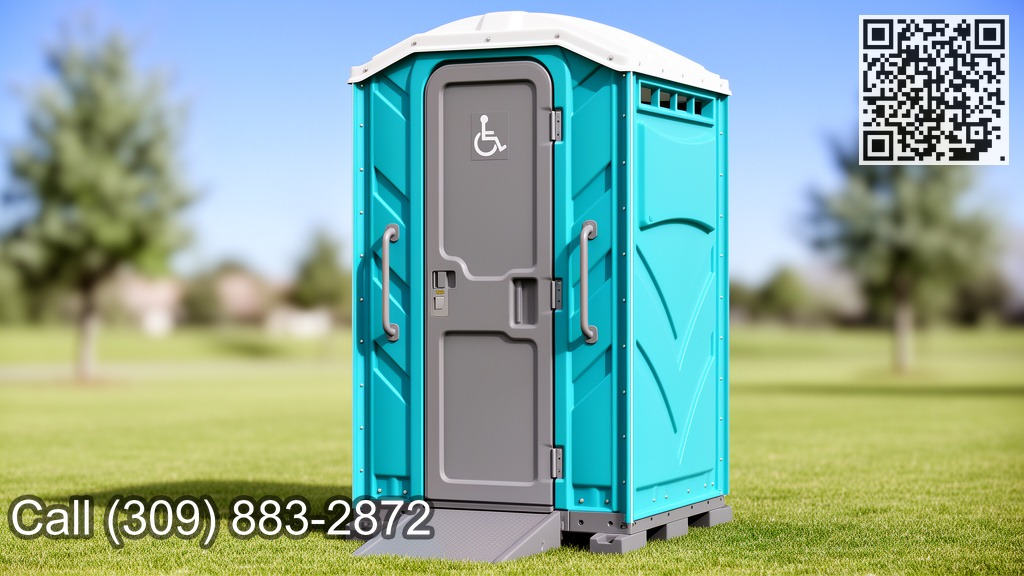
If ramps or landings are required, they are not improvisated accessories. They have to meet the suitable technological demands. That single fact needs to press placement decisions previously in the preparation procedure. It is a lot easier to select an excellent area than to save a poor one with makeshift solutions.
The inside has to function, not just show up roomy
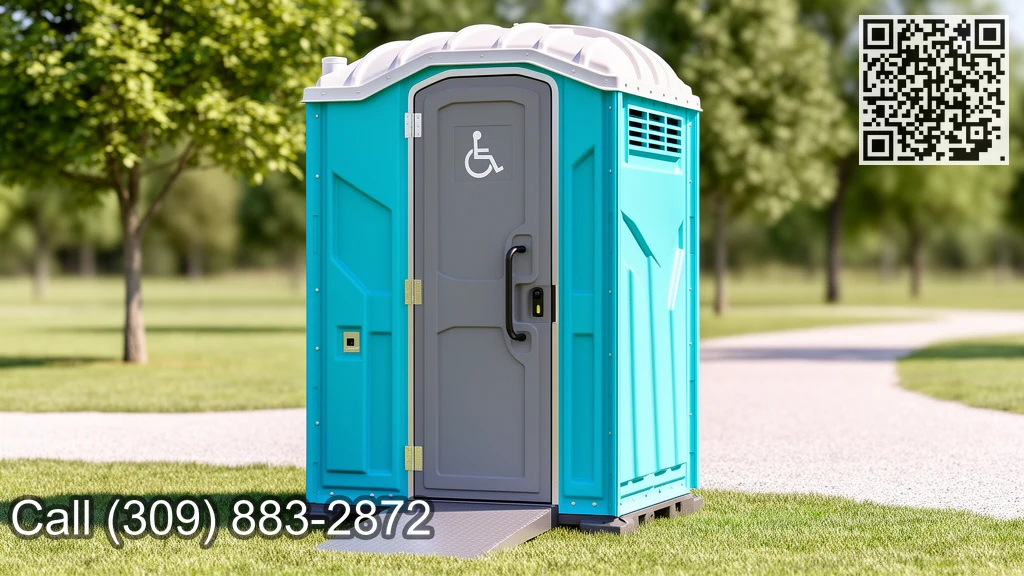
Accessible mobile commode devices have to additionally meet toilet-room technical demands, including component clearances, transforming space, door maneuvering clearances, and applicable grab-bar and water-closet clearance policies. Also without getting shed in measurements, the principle is straightforward: the inside must support entrance, positioning, transfer, and exit.
This is why some units that look "large adequate" in a pamphlet are not the same thing as ada certified obtainable mobile restrooms. Area has to operate. The transforming location matters. The door steering location issues. The placement of functions matters. Get hold of bars and clearances are not attractive upgrades. They are part of what makes the device usable.
In method, this is one reason I encourage customers not to rely upon vague sales language. Ask the rental company clearly whether the system is planned to please ADA ease of access requirements for public use, and whether the configuration, consisting of route and entrance, will certainly support that use on site. If the solutions stay blurry, keep asking. A great vendor will recognize why the questions matter.
Temporary occasion thinking can lead individuals in the wrong direction
Public events often operate under stress. There are permit target dates, load-in schedules, weather problems, group quotes, and budget plan limits. Mobile toilet rentals obtain folded up into that thrill. Accessibility then gets dealt with like one more box to check. That framing is where trouble starts.
The much more reliable method is to treat the ada compliant mobile bathroom as a core part of visitor circulation. If people will certainly require bathrooms, some of those individuals will certainly need obtainable toilets. That is not an edge situation. It is regular public use. Once you accept that, much better selections follow naturally. You stop concealing the accessible unit behind devices. You stop putting it at the farthest point from the obtainable path. You quit thinking one system somewhere on the premises covers everything.
I have seen the difference this attitude makes. At one kind of community occasion, the easily accessible unit is integrated right into each restroom financial institution, visible, simple to strategy, and simply marked. At an additional, the obtainable unit exists theoretically but sits alone on uneven ground behind a solution location due to the fact that there was "even more space there." Both arrangements may have included an ada mobile restroom on the billing. Just one appreciated the people that required it.
Construction-site complication is worthy of a quick clarification
There is a slim factor in the older 1991 standard that sometimes obtains duplicated out of context: portable toilets at construction sites used specifically by building personnel were discriminated under the portable-toilet availability scoping need referenced there. That information has actually triggered confusion throughout the years due to the fact that people hear "construction site" and presume portable units are extensively exempt.
For basic portable toilet leasings serving the general public, that is not the takeaway. If the systems are for public use, the accessible-unit need stays the pertinent issue. It is sensible not to allow a customized building and construction exception sloppy choices about occasions, parks, public queues, area programs, or various other public-facing uses.
What to ask before you sign the rental agreement
A little technique during the purchasing procedure stops a lot of difficulty later. You do not require a lengthy investigation, yet you do require the appropriate discussion. The most useful questions usually fixate the system, the cluster count, the route, and the final placement.
Here is a short functional list I would certainly use:
- How numerous washroom collections will feed on website, and does each collection include the required available share?
- Is the device being supplied an ADA available portable bathroom planned for public usage, not just a bigger standard unit?
- Will the system be related to the International Symbol of Accessibility?
- Is there an easily accessible path and entryway to the exact positioning area, consisting of any type of ramp or landing that might be needed?
- Has a person confirmed that the final installed setup, not just the delivered unit, will sustain compliance?
These concerns are easy, however they press the discussion to the ideal level. They additionally reveal whether the vendor is utilized to handling public-accessibility assumptions or merely leasing equipment.
A cheap quote can end up being a costly mistake
Budget pressure is genuine. Mobile restroom line things can expand promptly when events scale up, and an ada portable bathroom service usually sets you back greater than a conventional system. The lure is to reduce the obtainable section of the order or place it where it is least turbulent to the website plan. That instinct might conserve cash theoretically and create larger prices elsewhere.
If an issue develops since the only easily accessible device can not be gotten to, was not in the ideal cluster, or did not have the needed easily accessible arrangement, the issue is no longer a small rental choice. It becomes a procedures issue, a credibility trouble, and possibly a conformity issue. Also setting responsibility apart, there is a human price when a guest, participant, or participant of the public realizes the event planned for "every person" without really preparing for them.
The much better budgeting habit is to account for accessibility initially. When you know the number of clusters and recognize the path problems, the easily accessible devices stop feeling like surprises.
Placement mistakes take place in normal ways
Most ease of access failings are not dramatic. They originate from normal oversights. The accessible system gets placed where the truck might discharge fastest rather than where individuals can use it finest. A course that was acceptable throughout arrangement ends up being blocked by barriers, wires, short-lived secure fencing, or vendor storage. A slope that appeared manageable when dry becomes an issue after weather condition shifts. None of these errors call for bad intent. They require just a hurried day and a vague chain of responsibility.
That is why I like designating a single person to verify the final field problems after installment. Not the directory. Not the invoice. The real positioning. That individual ought to walk the route, check out the entrance, inspect whether the marked obtainable system is in the correct collection, and notice whether nearby event infrastructure has produced a dispute. Those 10 mins are typically the distinction in between self-confidence and preventable embarrassment.
Language issues because assumptions matter
The market utilizes several overlapping terms: ada certified mobile restrooms, ada-compliant mobile bathrooms, ada certified portable commode, ada-compliant mobile commode, ada certified portable toilets, and ada portable restroom. People additionally search for an ada available portable bathroom or an ada handicap easily accessible portable washroom since that is the number of clients explain what they need.
I would certainly not get hung up on the precise phrasing in day-to-day discussion. What issues is that every person involved recognizes the assumption. You are not requesting a roomy system. You are asking for a restroom arrangement for public usage that aligns with ADA availability demands, including recognition, route, entryway, and interior technical requirements. When that understanding is clear, terminology comes to be less of a stumbling block.
Accessibility is part of the broader conformity climate
Even if your instant problem is physical bathroom accessibility, it is worth acknowledging the broader environment. ADA conformity is being enforced throughout more aspects of public life, and companies are under growing stress to assume systematically rather than reactively. That bigger trend should urge far better habits, not fear. The lesson is easy: accessibility planning belongs at the front end of operations.
For mobile restroom services, that indicates recording decisions early, confirming the number of obtainable systems by cluster, working with positioning with site planning, and verifying problems after delivery. Those steps are not governmental extra. They are just how public-facing organizations avoid the all-too-common gap between intent and reality.
The ideal option is normally the one that feels typical to the user
When an easily accessible toilet arrangement is succeeded, it commonly goes undetected by people who do not depend on it. That is a good indicator. The system is where it needs to be. The route makes good sense. The signs is visible. The entrance works. The inside sustains use without fuss. Absolutely nothing about the experience asks the user to approve aggravation as the price of participation.
That is the requirement I would bear in mind when picking an ada compliant portable commode for public use. Not whether the order looks adequate from a distance, however whether an individual showing up on website can use the toilet with the very same standard independence and dignity that others expect.
If you are contrasting vendors or reviewing an occasion strategy, these are the points that deserve your interest:
- Accessible-unit needs relate to public-use collections of portable single-user commode devices, consisting of temporary events.
- At least 5 percent of the devices in each cluster have to be accessible.
- Accessible devices must be identified with the International Symbol of Accessibility.
- The path and entry must come, and any kind of required ramps or landings should follow ADA technical requirements.
- The system must satisfy the pertinent toilet-room technical demands, consisting of clearances, turning room, and door handling needs.
That may seem like a whole lot wherefore some individuals still disregard as "simply portable toilets." It is not. Public washrooms are basic framework. When they are intended inadequately, individuals are left out in prompt, personal ways. When they are prepared well, access really feels normal, which is exactly just how it needs to feel.
Choosing the appropriate ada portable bathroom is actually picking whether access will certainly be actual or symbolic. For public usage, that difference issues every single https://jaidenxzyg598.moderncairn.com/posts/ada-mobile-bathroom-rental-available-route-needs-made-simple time.
 Ask ChatGPT
 Ask Grok
 Ask Perplexity
 Ask Claude
 Ask Google AI
 Ask You